

Maintaining a Wood Burning Fireplace
Nothing is more welcoming than the sound of a fireplace that is wood-burning. It is essential to keep your fireplace clean to avoid dangerous creosote buildup.
A damper is a crucial part of maintaining a good combustion. The kind of firewood used can affect the outcome and hardwoods like oak and ash producing less creosote than softwoods.
Energy Efficiency
Wood fireplaces are a stunning amenity that creates a cozy atmosphere and also provides warmth. They are not energy-efficient and could cause air pollution if they are not maintained properly. The condition and quality of your firebox, chimney system, and installation may significantly affect the efficiency of your entire system.
Firewood is the primary fuel source for wood-burning stoves. It is usually purchased in face cords or full cords (measured as 4'x8"x8") The wood must be "seasoned" to reduce its water content and increase the energy density prior to use. If the wood is too moist it will not be able to burn as efficiently and could cause a lot of creosote. Seasoning wood can last for months or even a full year dependent on the weather and the climate.
Wood burning fireplaces require a significant investment of time and money to ensure they are maintained correctly. Apart from purchasing a large amount of firewood, homeowners need to regularly clean and inspect their fireplace to ensure that the chimney is free from obstructions and that it's operating properly and that any combustible material is not stored close to the unit. Regular cleaning and inspections will reduce the chance of chimney fires as well as room fires.
Smoke from a wood-burning fireplace is a source of fine particle pollution which can damage the lungs and cause serious health issues, including lung disease, heart attacks and cardiovascular disease. It also releases harmful air pollutants such as nitrogen oxides, volatile organic compounds, formaldehyde and benzene. Wood smoke contributes to atmospheric destruction of ozone and greenhouse gases, which can harm the climate of the earth.
Efficient EPA certified wood stoves utilize an additional combustion process to reduce harmful emissions during firing. They also require a suitable size chimney as well as an air flue liner in order to maximize performance. It is essential to use seasoned wood and to avoid adding accelerants to the flame such as lighter liquid, gasoline or butane torch. This could cause a surge of fire, causing a dangerous situation. Additionally homeowners should keep their firewood away from the house to avoid termite infestation.
Cleanliness
Wood-burning fire places are an excellent alternative to other heating methods. They also provide a tranquil ambience. They can be used as primary or supplemental heating, and can be eligible for tax credits. However, they can be messy and require regular cleaning to prevent creosote and soot accumulation. A dirty fireplace can create unpleasant odors, toxins and can negatively affect air quality inside the home.
When burning wood in the fireplace, it is crucial to use only dry firewood. Using kiln dried firewood will help reduce creosote and soot buildup. Kiln dried firewood can be treated in a heated oven or kiln, to eliminate all moisture content. It is recommended only to burn clean and seasoned wood that has been split up and stacked for several months prior to using.
Before lighting a fire, take the ashes off the fireplace's floor and the area around the smoke shelf. Be sure to wait until the ashes have cooled completely before you dump them into a metal bin. Utilizing a dust pan or whisk broom Also, sweep and dispose of any other stray debris that may have accumulated outside the fireplace.
When cleaning a fireplace, be sure to wear gloves and an apron to shield yourself from the dust and soot that is produced. It is important to clear a work space and cover any adjacent furniture with drop cloths to guard against staining. Wear a mask to ensure that you don't inhale any ash or particles of soot.
Begin by filling up an enormous bucket with one gallon of warm water. Add 3.8 tablespoons of trisodium phosphate (TSP) 1 cup of bleach and 2 tablespoons of household ammonia. Mix well and then dip a nylon brush into the solution and scrub the walls and areas of your fireplace. After you have scrubbed, use a clean damp cloth to wipe and rinse the cleaning solution off.
Repeat the scrubbing, washing and wiping until all visible deposits are eliminated from your fireplace. Once you're satisfied with the cleanliness then employ glass cleaner that's safe for wood-burning stoves for cleaning any glass doors.
Aesthetics
Wood fireplaces have a look that modern propane or gas fire places cannot rival. The rustic look of wood fireplaces and the sound of a fire roaring and the cozy atmosphere they create have stood the test time. Many people search for this feature when buying a fireplace.
While wood-burning fireplaces are great for heating, they also emit harmful gases into your home. They release carbon monoxide and smoke that could cause lung damage. It is essential to have an effective system that can eliminate these harmful substances, even if fireplaces are well ventilated. Many people prefer zero clearance designs for wood burning fireplaces, because they can reduce the amount of harmful gases that are present in their homes.
There are many different ways to design your wood fireplace to create a unique attractive. You can paint it to be in line with the interior decor of your living space or use reclaimed wood to give it a more rustic appearance. You can also build an outdoor stone staircase that leads to the fireplace, creating an interesting and practical feature in your home.
You can also change the color of your chimney. Black is a popular choice because it looks fantastic and works with a lot of homes. Alternatively, you can paint your fireplace in white, which opens up the room and creates a light and airy atmosphere. Gray is a popular choice that goes with many styles and is trendy. Some homeowners even mix beige and gray together, known as greige, to celebrate this flexibility and aesthetic.
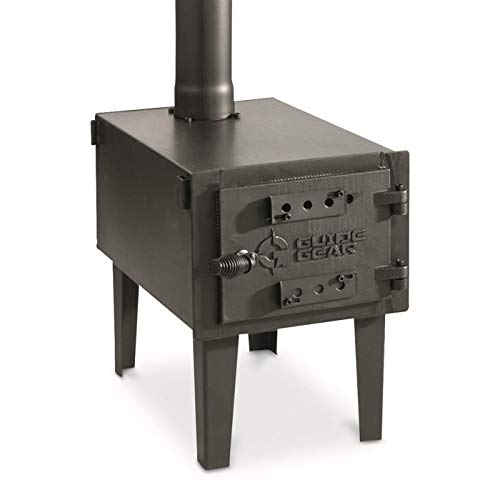
The best way to make a fireplace look less old fashioned or obtrusive is to paint it to match the walls around it. This can be done in a deep neutral that is on-trend, like grey, or a warm and earthy tone such as brick or terracotta red. The idea is to create a unified space that does not draw attention to itself, but rather blends in with the rest of the room. If mini wood stoves are unsure about which colour to go for, you can always ask a professional for advice.
Safety
Wood burning fireplaces can create serious safety issues if not maintained and operated properly. They release fine particles that can get into the lungs and trigger lung diseases. They also release harmful air pollutants, such as carbon monoxide and volatile organic compounds. Wood smoke contributes to climate changes by releasing methane and carbon dioxide.
The flue of a wood stove needs to be cleaned and inspected regularly to ensure it is functioning properly. A clean, well-functioning flue will help to stop dangerous carbon monoxide leaks and chimney fires.
If the flue liner is deteriorating, it should be replaced or repaired immediately. Be sure to keep flammable objects like drapes, curtains and other objects that ignite away from the wood stove. Cross-ventilation is a great way to move warm air around the house so it doesn't go back up the chimney.
Regularly sweep out the ashes to keep them from becoming a block to airflow and then becoming too large in size. Too much ash can restrict the oxygen supply to the logs and decrease combustion efficiency, which also creates more smoke. The ashes can be stored in a container made of metal or in a non-combustible container.
Children should be kept away from the area around the fireplace particularly when it has glass front. If they touch hot surfaces both during and after the fire, they can be burned. In addition, the different tools used to maintain a fireplace like brushes, pokers, log lifers and shovels can be dangerous for kids to handle. A three-foot "safety zone" must be set up around the fireplace to avoid children accidentally coming into contact with it.
It is an excellent idea to install a carbon monoxide detector and alarm in your home, especially when there is a wood stove. Carbon monoxide is poisonous and may be a problem when the wood stove and chimney are not working correctly.
Finally, it is important to be aware of the state, local and tribal regulations on wood-burning fireplaces. These rules could include nuisance/odor rules, "no-burn" days and visible emission limits or opacity limits for the smoke that is emitted from chimneys of homeowners. These laws are often designed to reduce air pollution and protect the public's health.