

The Benefits of an Indoor Wood Burner Stove
A wood burning stove in the home can enhance the comfort of a space. They are also beneficial for the environment since they burn a fuel source that is easily accessible.
There are several things to consider when buying an indoor wood-burning stove. These include the stove's emissions energy efficiency, as well as safety for your home.
Energy Efficiency
Wood stoves are becoming more efficient in energy use. Modern models have efficiency ratings between 70 and 80%, meaning that they convert a significant amount of the energy generated by the stove into heat. This significantly cuts down on fuel costs, making them a more eco-friendly alternative to fossil fuels.
Additionally, burning wood is considered to be carbon neutral since it does not increase the amount of carbon dioxide in the atmosphere. Wood can be harvested sustainably, by cutting down the trees required. This will stop other trees from being cut down in a way that is unnecessary. Moreover, most modern wood stoves are capable of burning the exhaust gases again, thereby further reducing emissions. This is often known as secondary combustion. Some older non-catalytic model do not have this feature, allowing unburned gasses to escape from the chimney.
This gas that is not burnt can cause a buildup in the chimney, which can be harmful to your health. This is especially true for those suffering from respiratory ailments such as asthma, emphysema, and chronic obstructive airway disease, as well as heart diseases. Smoking for a long time can lead to pulmonary fibrous disease.
On the other hand, choosing a wood stove that has secondary combustion will greatly reduce the negative consequences. The catalytic combustor that is used in these stoves permits combustion at lower temperatures. This permits exhaust gases to burn more effectively and efficiently.
It is best to search for EPA certification when purchasing a wood stove that has secondary combustion. This will ensure the stove is built to minimum clearance standards, and prevent it from creating an fire risk in your home.
You should also be aware of keeping combustibles at least 12-18 inches away from your wood-burning stove. In addition, the wall should be insulated in order to stop fires from spreading.
Wood stoves offer many advantages. They can help you save money on your heating bills and keep your home from being affected by power outages during winter. However the cost of purchasing and maintaining the necessary firewood can be costly in certain cases.
Reduction of Carbon Dioxide Emissions
The carbon dioxide emissions from wood stoves are lower than those from natural gas or electric heaters. Also, they emit less carbon dioxide than plants powered by coal. Utilizing a stove made from recycled wood, instead of buying a new one constructed from wood, is a sustainable way to heat your home. A good wood-burning stove has an emission rate that is low and only emit carbon dioxide in the form of smoke.
This type of stove can be a great choice in the area designated as a smoke-control zone. These zones are designed to improve air quality by eliminating harmful pollutants. These pollutants include nitrogen oxides, which are known to cause respiratory issues and cardiovascular illnesses as well as particle pollution. Nitrogen oxides are produced through the combustion of coal, oil or gasoline.
If you live in rural areas where there are a lot of trees to harvest, a wood-burning stove is a good option. If you don't reside in this type of environment, it may be a good idea to look into a different heating method.
The most recent wood stoves have been developed to emit low levels particulate emissions. These models are far removed from the old stoves produced in the 1970s. They are designed to burn at a higher temperature and they are more energy efficient than their predecessors. A modern clean-burn wood stove can emit particulate emissions that is 10 times lower than that of a previous model.
Consider switching to organic briquettes if want to reduce the carbon footprint of your home. These fuel pellets can be reused and are made from agro-waste material like rice husks, rice cobs and corn cobs. They can be bought for a fraction of the price that it costs to buy traditional logs.
The best way to minimize the pollution generated by your stove is to make sure that it is operating at its "nominal load." If you're not sure of what this means, you should consult your manufacturer or read the instruction manual for installation and operation. This is a document that was carefully crafted by the manufacturer of your stove, and it will help you understand how to get the most value of your wood burner.
Power Outages Reduced
In contrast to electric heaters which are reliant on electricity to function, wood burning stoves do not need any energy sources to function. They are an ideal solution for situations when there is an outage in power, since they can still heat and cook even if other electrical appliances aren't working. This is especially true during the winter months when temperatures drop and the electricity supply can become scarce.
Log burners not only provide a reliable heat source and are also an inviting touch to any home. They create a welcoming atmosphere and function as an important focal point that brings people together to enjoy time in the company of family and friends. This gives people a sense of security and enhances the quality of life and well-being by allowing people to be connected to others in a more intimate manner.
Concerning the effects of climate change, a wood-burning stove is an excellent alternative to fossil fuels because it is a carbon-neutral source of energy. As long as the wood comes from a sustainable forest, it will not add to the atmospheric carbon dioxide levels. Furthermore, burning wood is an energy source that is easily replenished, as opposed to the limited quantity of fossil fuels.
Ultimately, wood stoves are an excellent alternative for homeowners who want to cut down on expensive gas and electricity costs. The initial investment may be higher than that of most electric or gas heaters however, the savings on energy costs will offset this. It is important to keep in mind that these heaters can be costly in the event that they are not maintained and used properly. It is essential to seek advice from an expert in chimneys and ventilation. click through the next post can assist you in finding the right stove for you and can also help you understand how to maintain it.
Higher Home Value
A wood stove adds value to a home since it is a highly efficient and cost-effective heating system. Additionally, mini wood stoves helps reduce carbon emissions, which is great for the environment. It is crucial to remember that a wood-burning stove should be maintained properly and make use of high-quality wood to achieve maximum efficiency.
A wood fire can create a warm and welcoming environment for your loved ones and family. It can also increase a home's curb appeal. You can pick from a range of styles and finishes to complement your style. It is crucial to keep in mind that a wood burning stove needs regular maintenance and cleaning. This will prevent the risk of creosote accumulation.
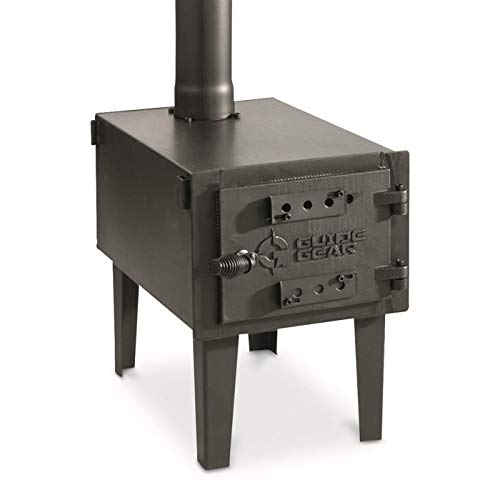
Wood stoves are more energy efficient than other heating systems, and can enhance the value of your home. This is because many buyers are concerned about increasing cost of energy and environmental issues. To get the most efficient performance it is essential to use a high-quality stove and dry wood.
Wood stoves are a fantastic choice for homes in areas that experience cold climates since they can save the cost of heating. They also work better than traditional furnaces and generate less greenhouse gases. If you're thinking of adding a wood stove to your home, it's essential to choose a stove with a low initial cost and is simple to maintain.
Many people believe that a wood stove can add value to their homes because it creates a cozy and cozy atmosphere. It also increases the comfort of a home and reduce the cost of energy. Wood stoves are not suitable for every house due to the cost of installation and maintenance.
Additionally, a wood stove must be installed by a licensed professional to ensure that it complies with all the regulations. It is essential to research a wood stove prior to deciding whether it is the right choice for your house. If you're thinking of installing a wood stove in your home, contact WITTUS to learn more about our products. We specialize in importing high-quality Danish stoves and fireplace inserts for residential use.